


How to Prepare Home for Inspection Right
- alex00449
- Apr 19
- 6 min read
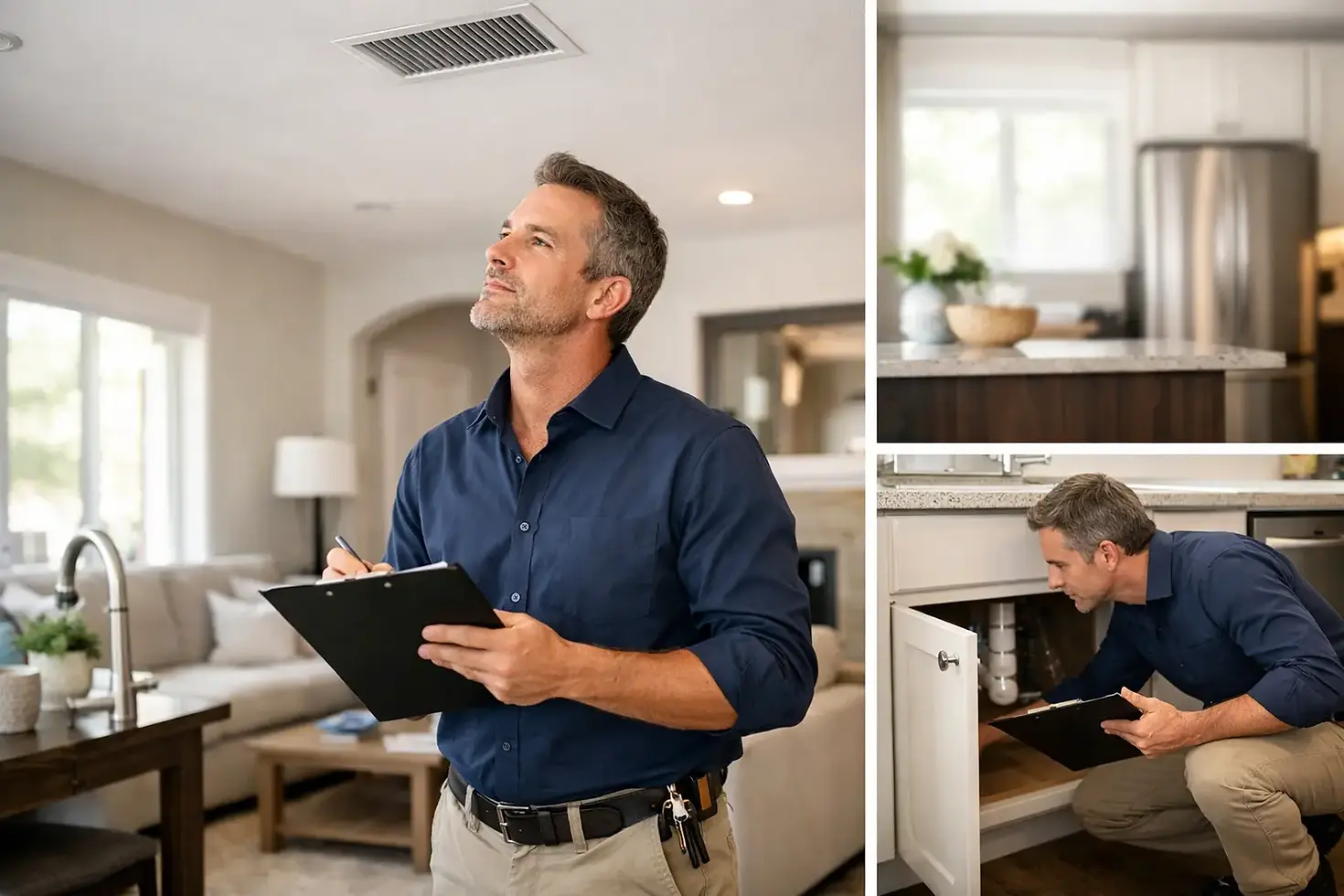
An inspection day usually tells a clearer story than a fresh coat of paint ever will. If you want to know how to prepare home for inspection, the goal is not to make the property look perfect. The goal is to make it accessible, functional, and easy to evaluate so the report reflects the home accurately, without avoidable delays or unnecessary question marks.
That matters whether you are selling, buying before the contingency period ends, or planning ahead as a homeowner. A well-prepared inspection helps reduce surprises, keeps the process moving, and gives everyone better information about what needs attention now versus later.
What inspectors need to see
A home inspection is not a cleanliness test, and it is not a pass-fail event. It is a professional assessment of visible and accessible systems and components. That distinction matters because many of the biggest problems are not cosmetic. They show up in roof transitions, drainage patterns, ventilation, electrical safety, plumbing performance, and signs of movement or moisture.
Preparation should support that work. If the attic hatch is blocked by storage, the electrical panel is behind shelving, or the water heater is packed in by boxes, the inspector loses access to key areas. That can lead to limitations in the report, follow-up questions, or recommendations for reinspection. None of that helps a seller, buyer, or agent trying to make timely decisions.
How to prepare home for inspection before the appointment
Start with access. Unlock all gates, garages, utility rooms, and detached structures. Leave keys or codes where needed, and make sure pets are secured. If an inspector cannot reach the side yard, roof access point, subpanel, or crawlspace entry, important parts of the property may go unreviewed.
Next, clear the areas around major systems. A good rule is to leave enough working space around the furnace, water heater, electrical panel, attic opening, and crawlspace hatch for safe access. You do not need to empty the house, but you do need to remove the kind of stored items that turn a straightforward inspection into a limited one.
Utilities should be on. Water, gas, and electricity need to be active so fixtures, appliances, heating and cooling equipment, and safety devices can be tested under normal conditions. If the home is vacant, confirm service is still active the day before the inspection, not just scheduled to be active.
Basic functionality also matters. Replace burned-out light bulbs where possible, install fresh batteries in smoke and carbon monoxide alarms if they are chirping, and make sure pilot lights are lit if appropriate. These are small items, but they help avoid confusion during testing. If something truly does not work, it is better for that to be identified clearly than masked by an access issue or a simple maintenance oversight.
Clean is helpful, but clarity is better
Sellers often ask whether they should deep clean before an inspection. A reasonably clean home helps because it improves access and makes visible conditions easier to evaluate. But spotless counters do not matter nearly as much as an open electrical panel or a clear path to the attic.
Think in terms of clarity, not staging. Trim back vegetation from the exterior walls if it hides siding, drainage paths, or foundation areas. Move stored items away from the garage perimeter if they block view of stem walls or signs of moisture intrusion. If there are known leak-prone areas under sinks, around windows, or near exterior doors, do not cover them with baskets, rugs, or storage bins.
This is especially important in Southern California, where long dry periods can hide drainage and moisture problems until they become expensive. Exterior grading, roof drainage, and the way water moves around the structure deserve clear visibility.
Small fixes are fine. Cover-ups are not.
There is nothing wrong with handling obvious minor maintenance before the inspection. Tightening a loose doorknob, replacing a broken switch plate, adding a missing downspout extension, or servicing an HVAC filter can improve the home's condition and reduce distraction from basic upkeep issues.
But there is a line between maintenance and concealment. Painting over a fresh stain without addressing the source, stacking boxes in front of a cracked foundation vent, or running a dehumidifier in a damp room to hide odor is rarely productive. Experienced inspectors are trained to look at patterns, not just surfaces. If a problem has been recently covered without being resolved, it often raises more concern, not less.
If you have completed legitimate repairs, keep the paperwork available. Invoices, permits, and warranty information can be useful context, especially for roofing, electrical, plumbing, HVAC, or solar work. Documentation does not replace inspection findings, but it helps support a more complete picture.
Prepare the roof, exterior, and attic where possible
Many high-cost issues begin outside the living space. Roof coverings, flashing details, drainage paths, attic ventilation, and exterior transitions often tell the real story of wear, deferred maintenance, and future expense.
If you want practical ways to prepare home for inspection, start by making these areas easier to review. Trim tree branches away from the roof where safe to do so. Clear leaves and debris from obvious drainage points. Open side yards and side gates. If attic access is available inside a closet or garage, remove stored items below the hatch.
You do not need to climb on the roof or attempt repairs yourself. In fact, that can create safety issues and sometimes causes damage. The better approach is to provide safe visibility and disclose anything you already know, such as prior leak history, roof age, or recent patching.
For homes with solar, it helps to have basic system documentation ready if available. The inspection may not be a full solar performance analysis unless that service is specifically included, but clear records around ownership, installation, and recent service can still reduce confusion.
Inside the house, think systems first
A home is not just a collection of rooms. The most useful inspections evaluate how systems work together, because isolated defects often point to bigger performance patterns. Poor attic ventilation can affect roof life. Drainage issues can show up as stucco damage, foundation movement, or interior staining. Deferred exterior maintenance can lead to hidden moisture entry.
That is why preparation should focus on system access more than appearance. Make sure sinks can be run, tubs can be filled and drained, windows can open, the thermostat is operable, and appliances are empty enough to test if they are included in the inspection scope. If you know a GFCI outlet trips irregularly or a window sticks in one room, say so up front. Clear information saves time and leads to more accurate reporting.
What sellers should disclose before the inspection
Good preparation includes communication. If there has been a past roof leak, plumbing backup, foundation repair, pest treatment, or wildfire-related repair work, disclose it honestly. The same goes for known nonworking appliances, prior insurance claims, and any areas that are intentionally shut off or inaccessible.
This does not mean turning the inspection into a negotiation before the report exists. It means giving the inspector accurate context so findings can be written with less guesswork. Reports written to inform, not inflame, are most useful when the facts are clear.
For agents, this kind of preparation can help keep the transaction focused. Surprises tend to expand uncertainty. Clear access and straightforward disclosures usually do the opposite.
A few things not to do on inspection day
Try not to run multiple repair appointments at the same time. Electricians, cleaners, movers, and handymen can create safety and access issues, and they make it harder to document conditions clearly. It is also best not to leave appliances disconnected or block utility shutoffs with last-minute storage.
If you are the seller, plan to step out if your agent prefers that approach. Buyers often need space to focus, and inspectors need room to work methodically. If you are staying, keep answers factual and brief. Let the inspection process do its job.
What good preparation actually changes
Preparation does not guarantee a perfect report because every house has a condition story. What it does change is the quality of the information. A well-prepared property gives buyers better clarity, gives sellers fewer avoidable limitations, and gives agents a cleaner path for next-step conversations.
That is especially valuable in competitive markets where timelines matter and repair decisions need to be made quickly. At HausCheck805, that is why the inspection process is built around clear access, contextual findings, and actionable reporting - not drama.
The best inspection prep is simple: make the home easy to evaluate, be honest about what you know, and let the findings reflect the property as it really is. That kind of clarity protects everyone better than last-minute cosmetic effort ever will.


Comments